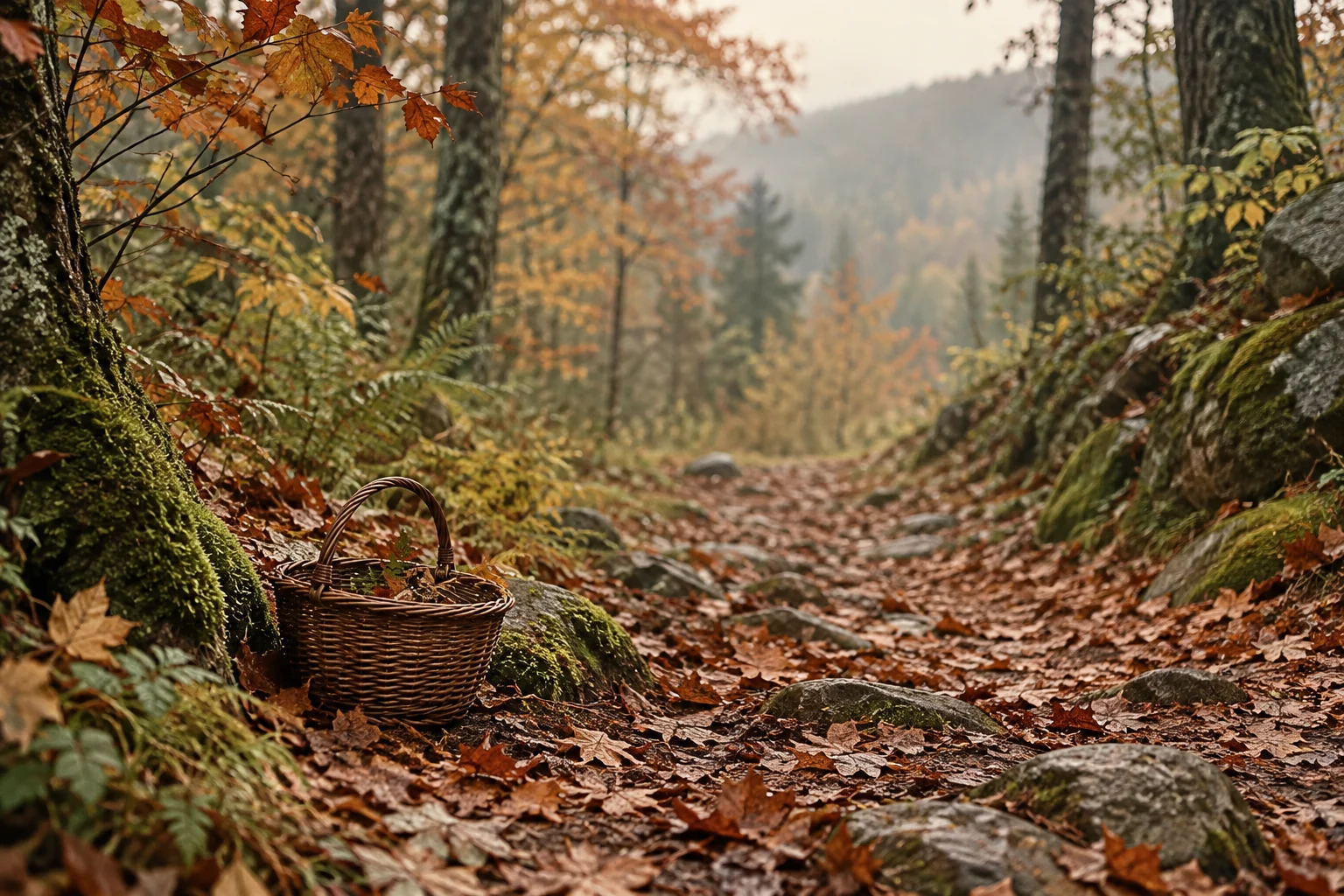
A nature walk does not need a destination or a long checklist. Choose a nearby path, garden, park or quiet stretch of woodland, and give the outing room to unfold at a child-friendly pace. The invitation is simply to notice what is changing, what feels familiar and what might be worth a closer look.
Before setting out, pack water, weather-appropriate layers, a small bag for rubbish and a notebook or a few sheets of paper with a pencil. A magnifying glass can be fun, but it is not essential. Agree to leave living plants and animals where they are; photographs and sketches make thoughtful keepsakes without collecting from the trail.
Try a few open-ended prompts as you walk: What do you notice first? Which sounds are close by, and which are farther away? Can you find two leaves with different shapes? What signs suggest the season is changing? There is no need to rush toward an answer. A quiet pause can be more rewarding than a long list of things to find.
Let interest lead the route. Stop to watch a cloud move, compare the texture of fallen leaves or listen for birds. Keep children within sight and follow local path guidance. Remind everyone not to taste wild plants or fungi, and to look rather than touch unfamiliar wildlife.
Afterward, take a few minutes to draw one observation, dictate a sentence or share a favorite moment. You might place a fallen leaf beside the page if collecting it is permitted, or simply record its color and shape. This small reflection turns an ordinary walk into a memory of careful attention—and leaves the next outing open to new discoveries.
Leave a Reply